Discover the latest coverage from across Tuolumne County.
From important public issues to interesting local stories, Here’s where you get a little perspective that helps you stay informed and connected.
The High School Road project started as a proposal to build eight storage buildings in Jamestown. It eventually became one of the most closely examined development projects in recent Tuolumne County history.
In Part 3 of our Civil Grand Jury series, we break down the timeline in plain English. We look at the permitting process, the county’s new conflict of interest policy, Amador County’s involvement, questions surrounding the fire hydrant, and the Grand Jury’s findings.
This article is not about politics. It is about process. It is about understanding how government works, how decisions are made, and why public trust matters.
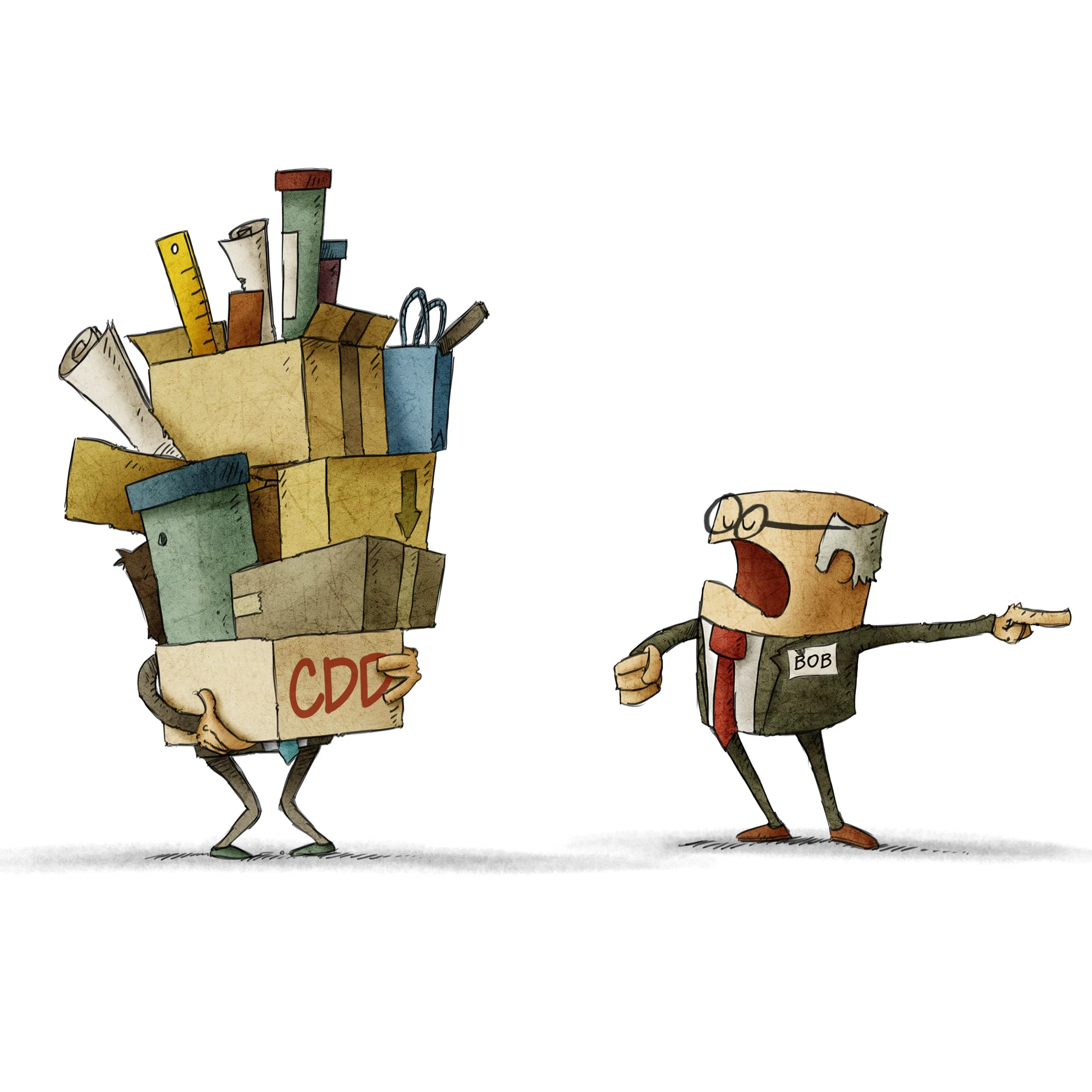
The Community Development Department touches nearly every resident of Tuolumne County. Whether you’re building a home, opening a business, remodeling a kitchen, or filing a code complaint, chances are you’ll work with CDD. A new Civil Grand Jury report paints a troubling picture of what happened inside the department during 2025, describing staffing losses, declining morale, budget cuts, and a loss of institutional knowledge that continues to affect county government today.
The Tuolumne County Civil Grand Jury didn’t investigate one bad decision. It investigated how our county government operates. Its findings raise serious questions about ethics, transparency, conflicts of interest, public records, and accountability. Here’s what the report says, why it matters, and what every resident should know.
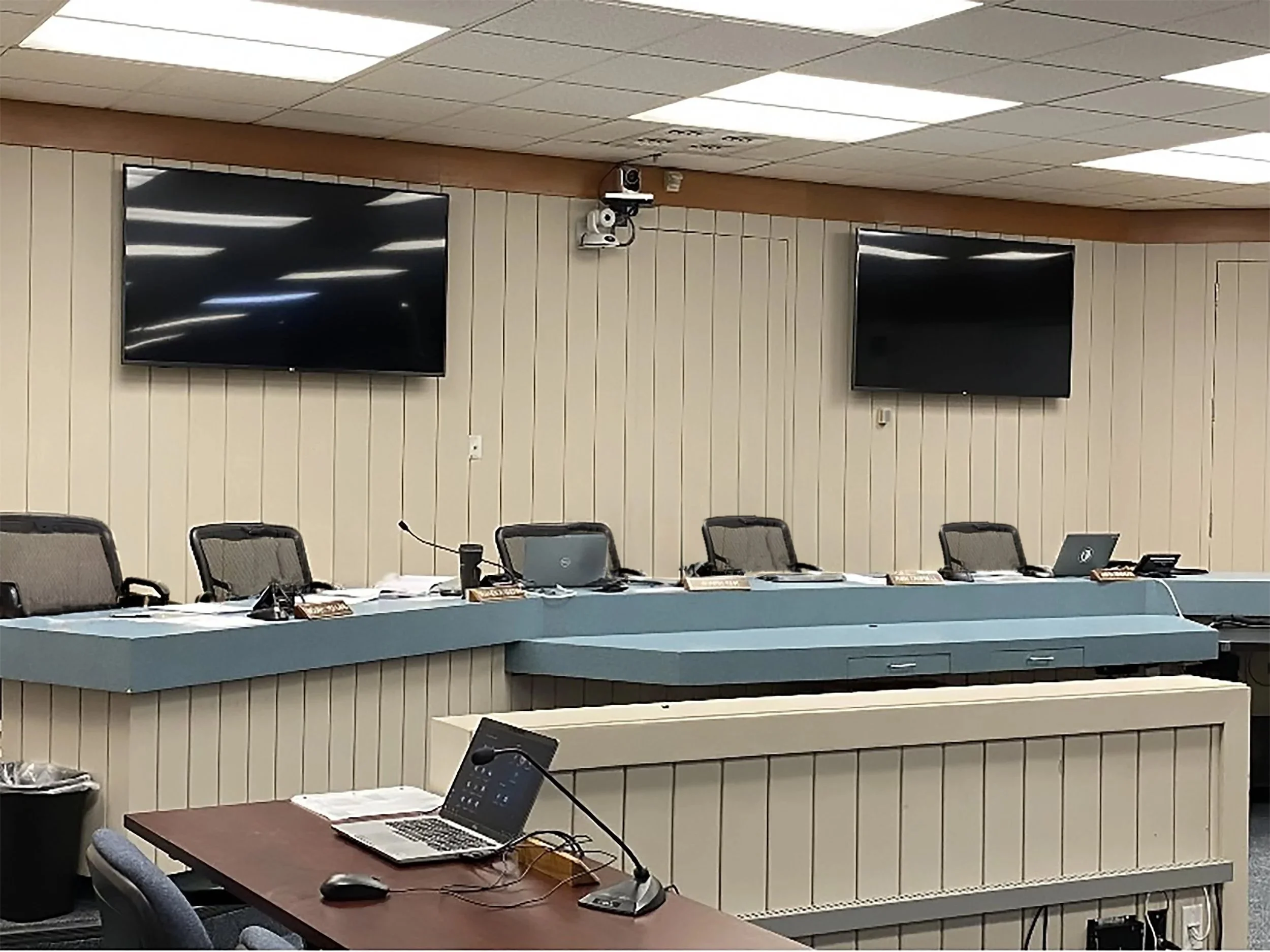
On June 30, the Board of Supervisors is expected to approve the budget that will guide county spending, services, and priorities for the coming year. Public safety, roads, parks, senior services, emergency preparedness, and countless other programs all depend on decisions made in this document. Yet with just seven days remaining, many residents still have more questions than answers. This week, we take a closer look at why transparency matters and why now is the time to pay attention.
A woman cried while talking to me recently. Not because of an election. Not because her side lost and someone else’s side won. She cried because she felt unheard.
As she talked, it became clear that she wasn’t upset about a single vote or a single policy. What she was describing was something deeper. She felt like her voice no longer mattered. Like decisions had already been made before the public ever walked into the room. Like participating in local government had become a strange ritual where we line up, speak into a microphone for three minutes, and then watch the train continue down the tracks exactly where it was already headed.
The uncomfortable truth is that many of us know exactly what that feels like. Over the last year, I’ve spent more time paying attention to local government than I ever intended, and one question keeps coming back to me: Who exactly do our elected officials think they work for?
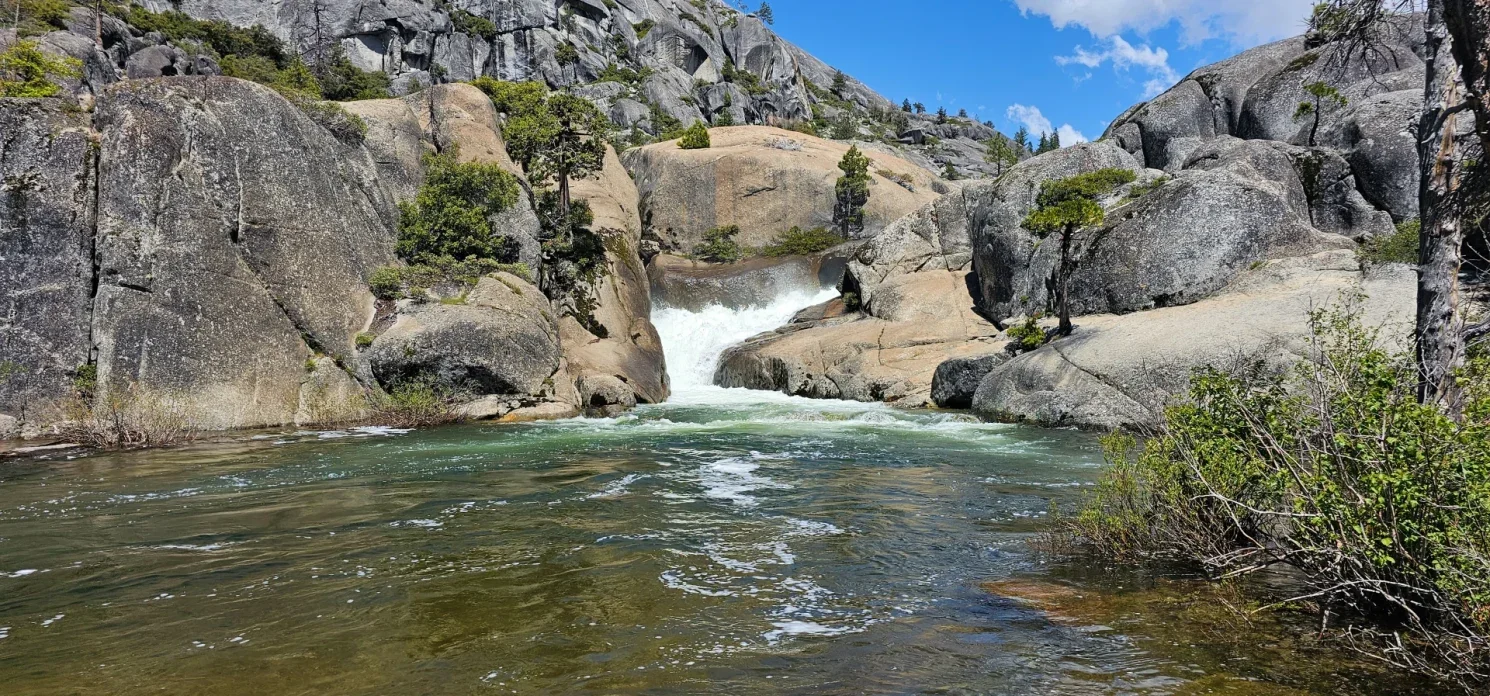
What began as a simple staycation after the election became a powerful reminder of why we love this place. From Pinecrest and Strawberry to Long Barn and Mi-Wuk, we spent a weekend surrounded by friends, local businesses, stunning beauty, and the kind of community that is becoming harder to find. Win or lose, if you live here, you’ve already won. And that is a lesson worth remembering.
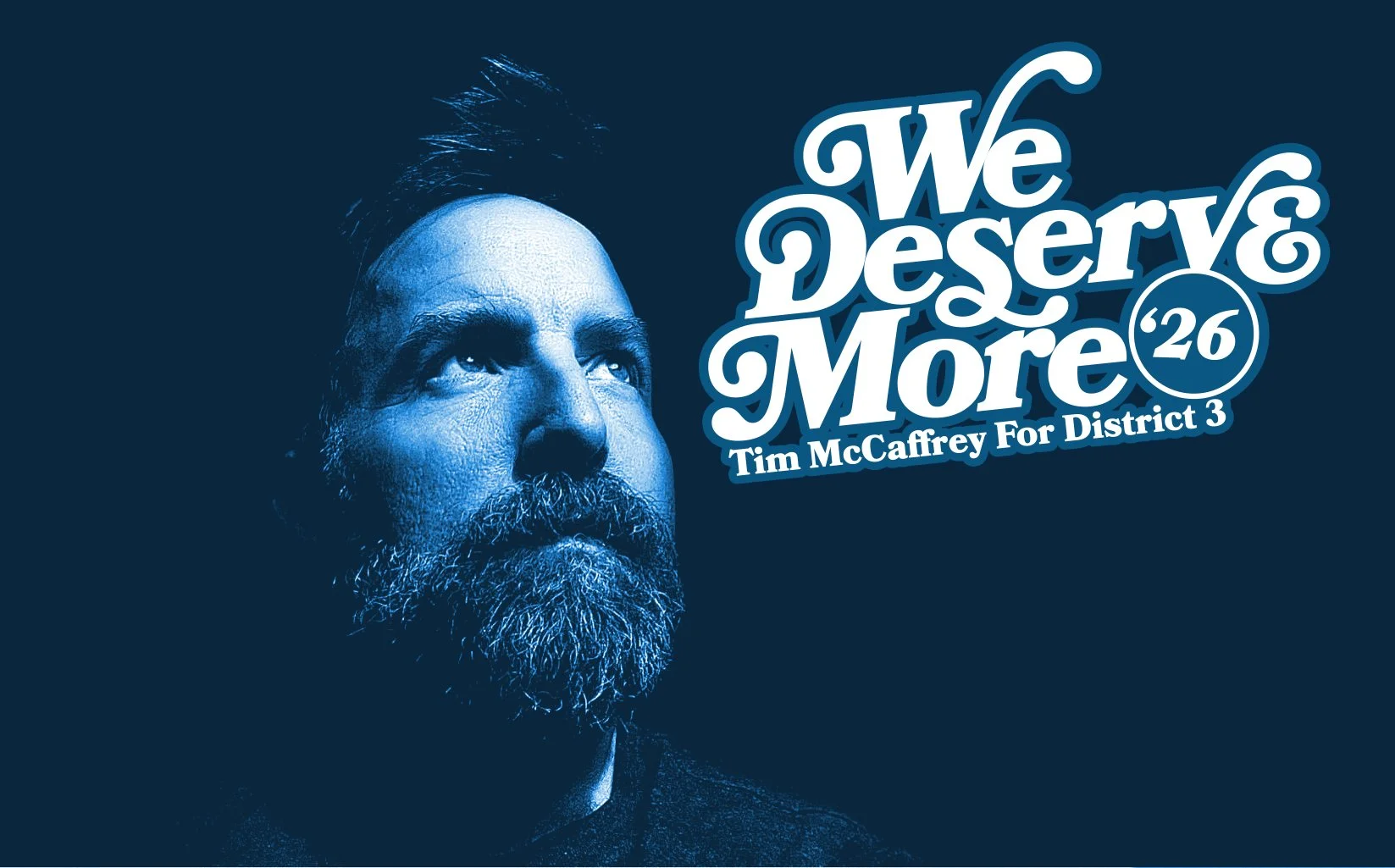
We deserve more transparency, more communication, and more leadership that listens. As we enter the final week of this campaign, I’d like to share what that means to me and why I’m asking for your vote on June 2.
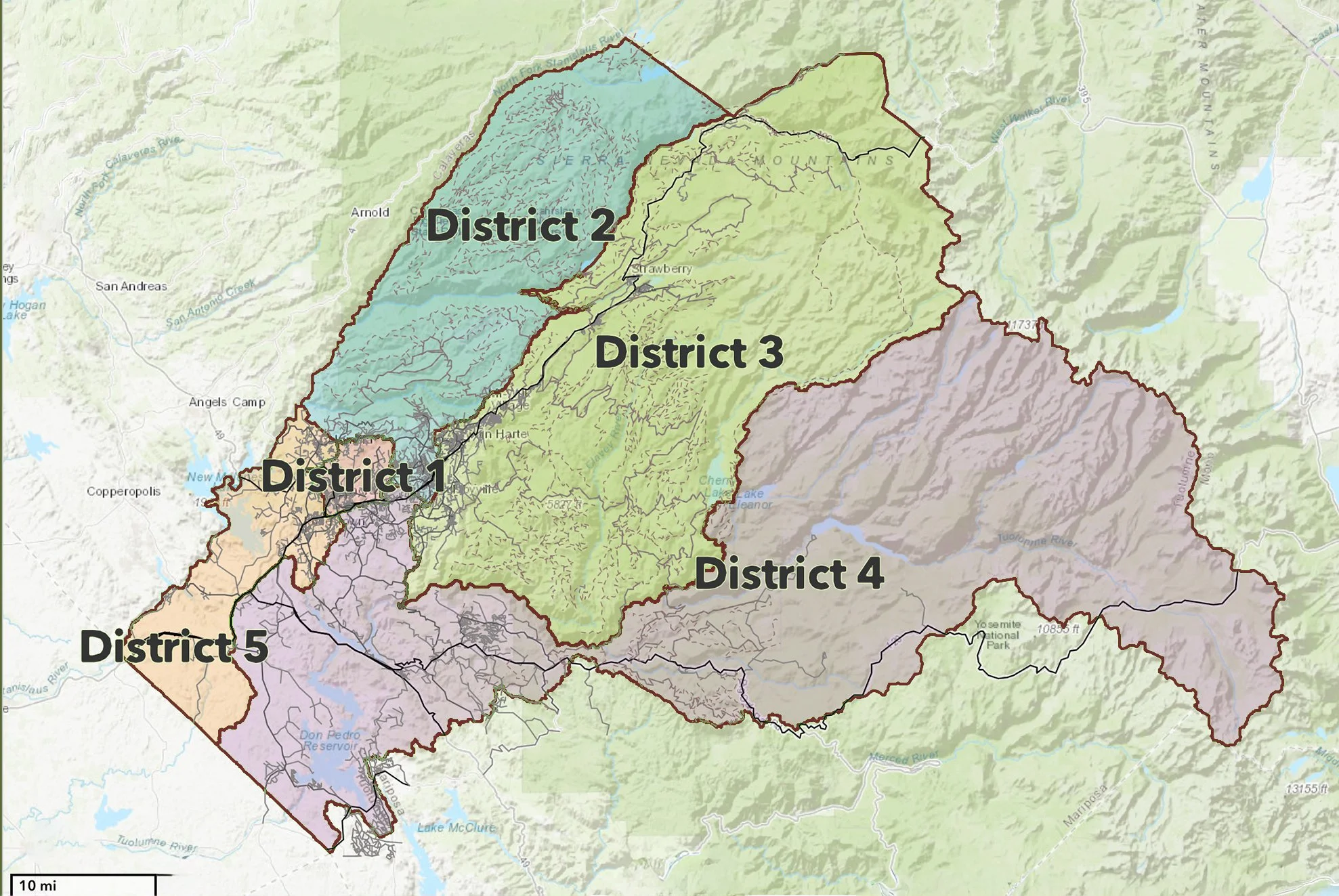
This election is about more than a name on the ballot. It is about what kind of leadership District 3 deserves.
With June 2nd almost here, I’m asking voters to choose full time focus, clear communication, open discussion, and representation for all of us.
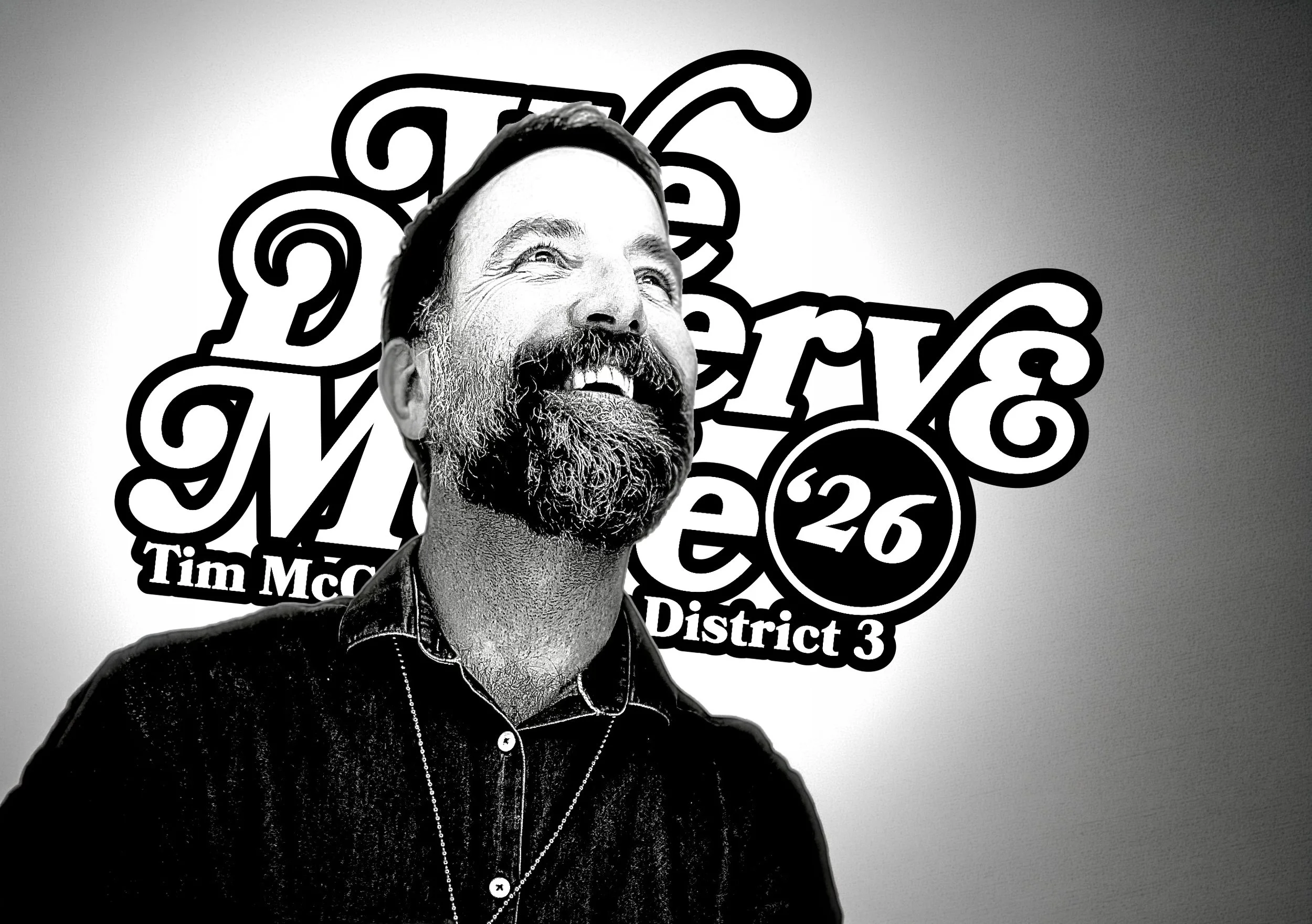
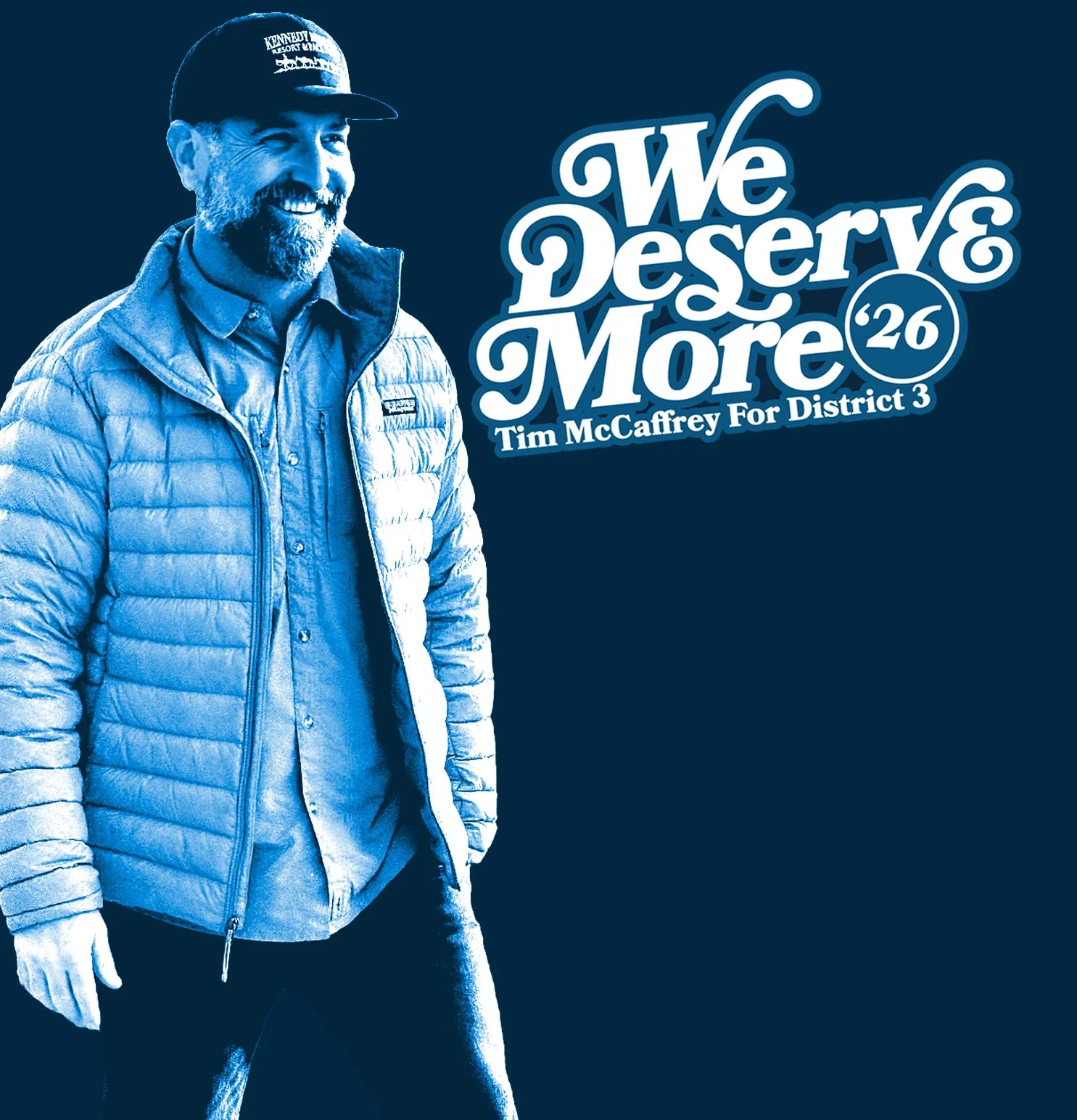
“Business Owner” is what appears on the ballot, but Tim McCaffrey’s story is rooted in decades of community work, local business, youth mentorship, tourism, nonprofit service, and volunteer leadership.
I may not talk about it often, but the experience is there.. From Dodge Ridge to local newspapers, at risk youth programs, Strawberry Music Festival, Twain Harte Homeowners, and countless community projects, his work has always been about service, connection, and helping District 3 thrive.
This election is about more than who holds the seat. It is about what kind of leadership we expect from the person sitting in it.
With ballots arriving today, this week’s we look at full time commitment, transparency, public safety, emergency preparedness, and why decisions should be made openly with the people of Tuolumne County in mind.
Former Tuolumne County employee Michael Roberson is asking the Board of Supervisors direct questions about transparency, budgeting, staffing, fire services, OES, and public trust. These are questions every resident deserves to understand.
Tomorrow, the Board of Supervisors is scheduled to move the Office of Emergency Services under the Sheriff’s Office. This is not a simple department move. OES is tied to emergency planning, evacuations, disaster response, recovery, emergency spending, and countywide coordination. The concern is the process. The current ordinance says the County Administrator is the Director of Emergency Services, but the proposed resolution appears to move that authority to the Sheriff now and update the ordinance later. Emergency services are too important to rush, and the public deserves the full picture before any vote.
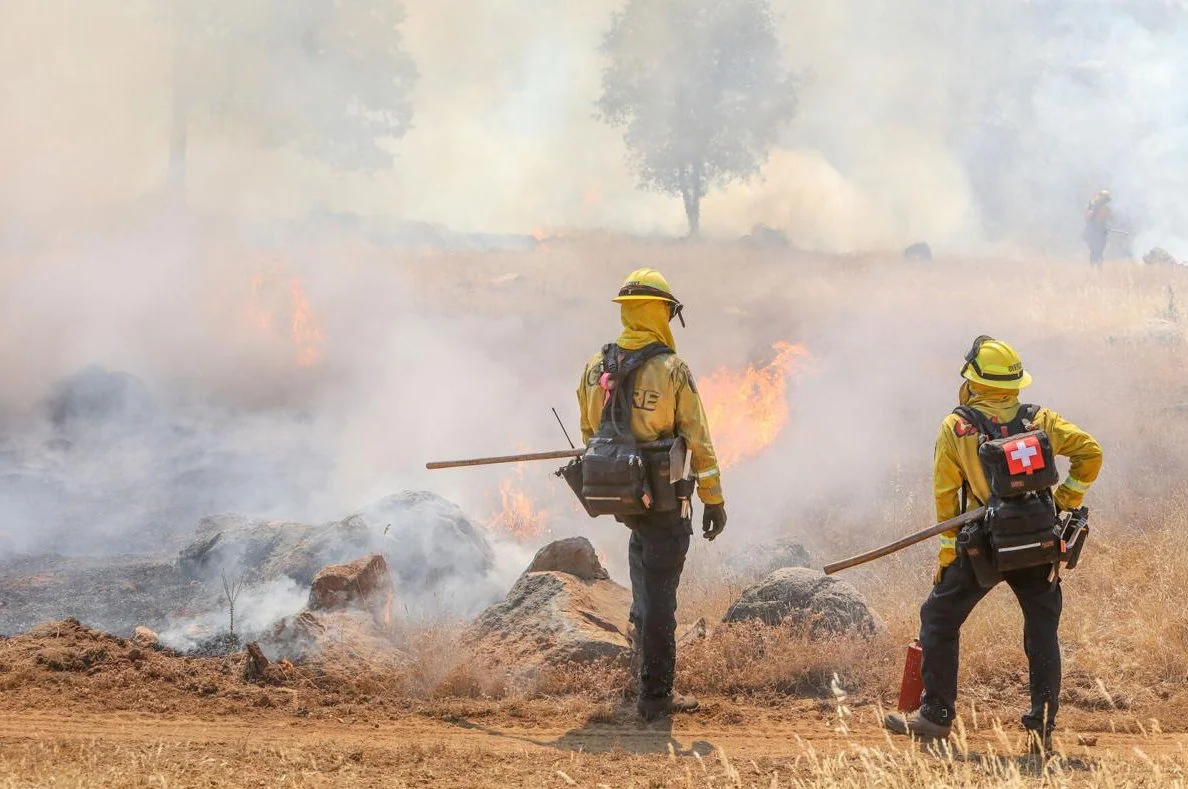
In one meeting we had serious allegations against a sitting supervisor, the unexpected resignation of our OES Director, and a decision to cut fire protection. This isn’t normal and it should concern every one of us.
With ballots going out May 6, now is the time to look beyond the noise and understand how county decisions are really made. Who sets priorities, who does the work, and how those choices impact your daily life.
This piece breaks it down clearly… and asks the questions every voter should be thinking about before they cast their vote.
This campaign started with a simple idea rooted in service and community. Nearly a year later, it has grown into something strong, built by people who are showing up, speaking up, and choosing to be part of the process.
Now we enter the final stretch. The next two months are the most important, where conversations turn into action and engagement turns into votes.
In a place where we all know each other, local politics should be about respect, honesty, and getting the work done. Lately, it feels like we’ve drifted from that. This is a look at what decency in local leadership is supposed to be.